Address:
202,101, No. 3, Kaifa Road, Dalong Street ,Panyu District, Guangzhou, Guangdong Focus On Polymer New Molding Equipment


WHAT ARE YOU LOOKING FOR?




Blown films surround us daily - from grocery bags to medical packaging - yet few understand how this versatile material transforms resin pellets into thin, strong films.
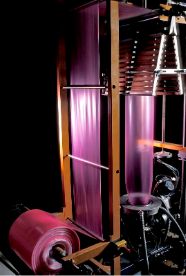
Blown films are tubular polymer films created by extruding melted plastic through a circular die, then inflating it like a balloon while cooling. This cost-effective process accounts for over 40% of global plastic film production.
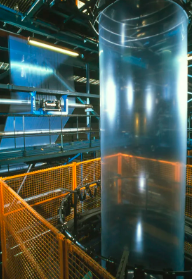
Unlike cast films made on flat dies, blown films offer unique mechanical properties. The biaxial stretching during bubble inflation creates balanced strength in both machine and transverse directions - a key advantage recognized in SPE's Plastics Engineering Handbook.
Ever wondered why some packaging stretches without tearing while others feel brittle? The answer often lies in blown film formulations and processing techniques.
Blown films serve five core industries: food packaging (60%), agricultural films (20%), medical packaging (10%), consumer goods (7%), and industrial liners (3%) - as detailed in Grand View Research's 2024 market analysis. Their balanced strength-to-weight ratio outperforms alternatives in these applications:
Food Packaging: Multi-layer films with EVOH barriers keep snacks fresh (see FDA 21 CFR 177.1520 standards)
Greenhouse Covers: UV-stabilized LDPE films last 3-5 seasons (per ASTM D4329 testing)
Medical Sterile Barrier: DuPont's Tyvek® shows blown microporous films' superiority in infection control
| Application | Material | Key Properties |
|---|---|---|
| Retail Bags | LLDPE | High tear resistance |
| Shrink Wrap | PVC | 200% stretch capacity |
| Pharma Blister | PET/Alu | Oxygen barrier <0.5 cc/m²/day |
Why do some factories produce film at 30m/min while others struggle at 10m/min? The difference lies in optimizing these seven critical steps:
The blown film manufacturing process involves extrusion through an annular die, bubble formation, air cooling, bubble stabilization, thickness monitoring, flattening, and winding - as standardized in ISO 4575:2021 for polyolefin films.
Extrusion (Our Lab Blown Film System's 25:1 L/D screw ensures complete melting)
Bubble Formation (Precision air rings control cooling rates - critical for haze <5%)
Thickness Gauging (Beta radiation sensors maintain ±3% tolerance)
NIP Roller (Dual durometer rolls prevent scratching)
Surface Treatment (Corona stations achieve >38 dyne/cm for printing)
Slitting (Razor or shear systems for burr-free edges)
Winding (Turret winders enable 100% uptime)
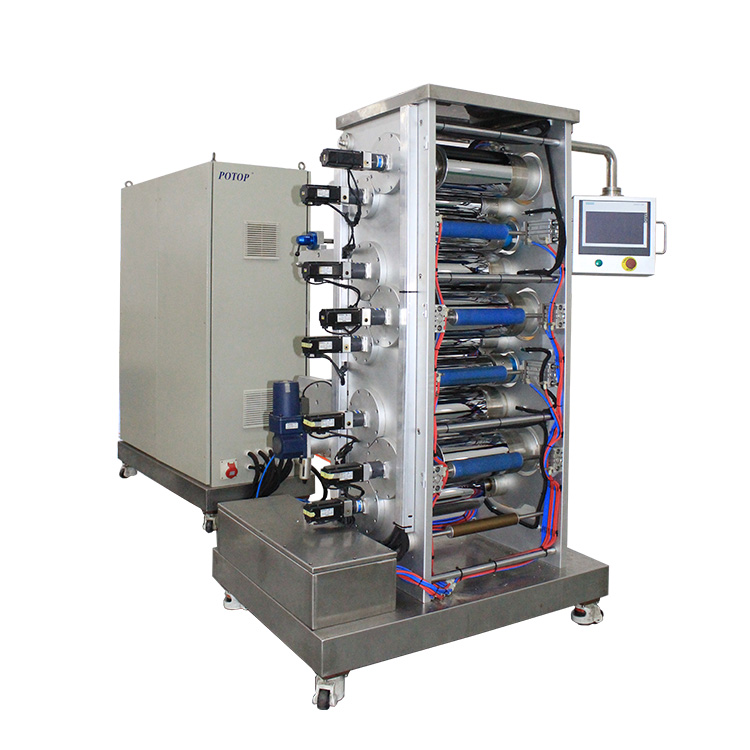
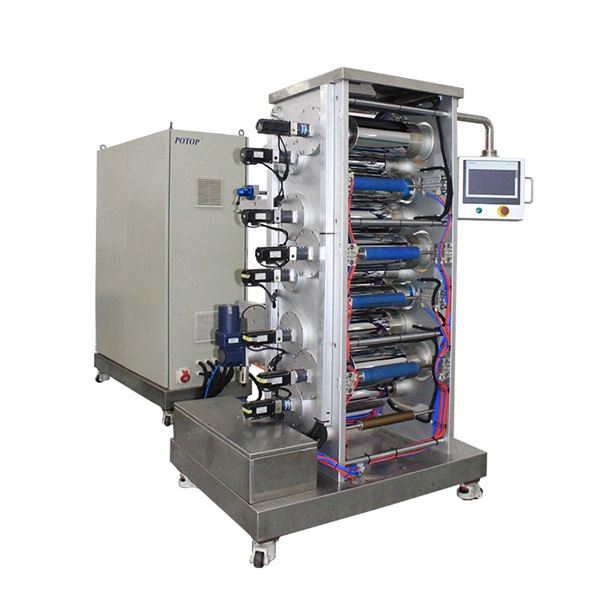
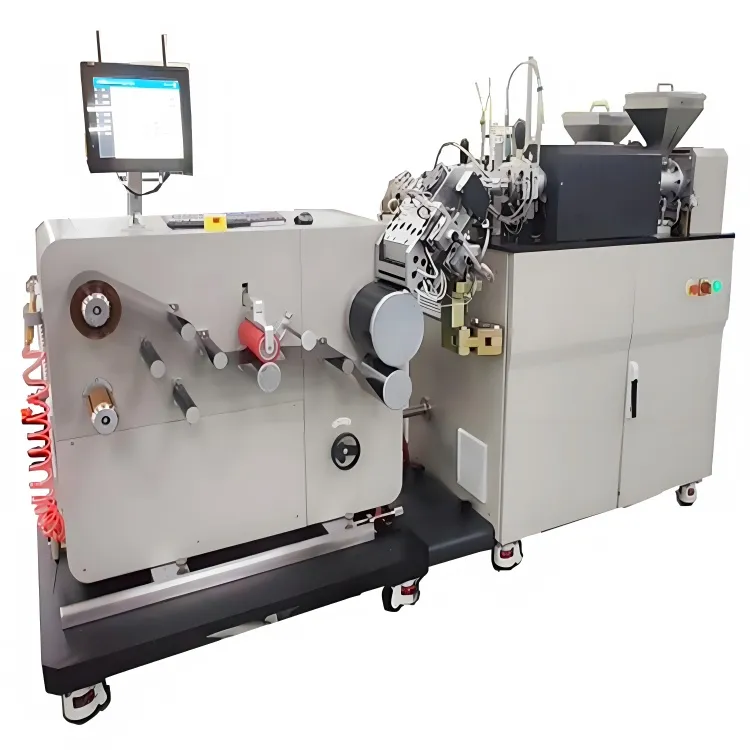
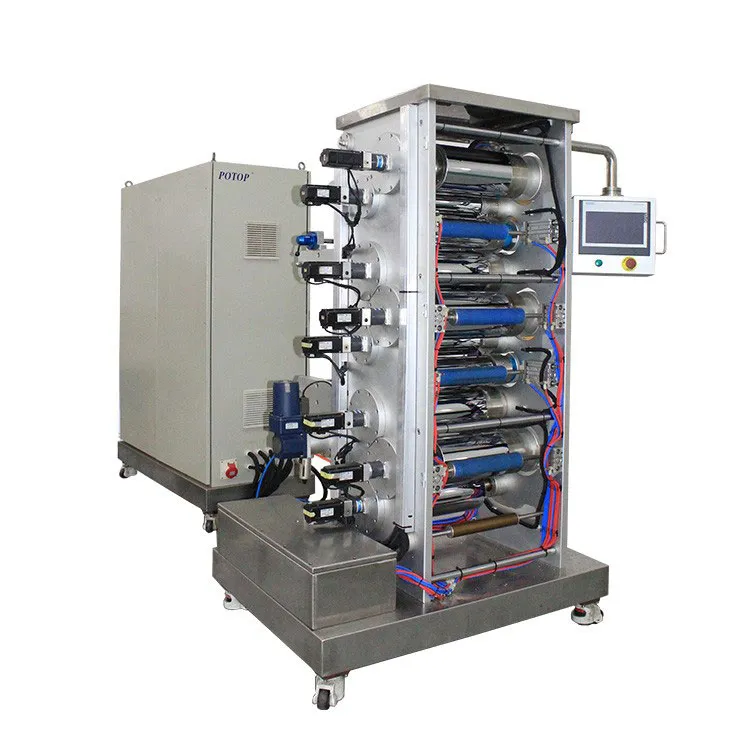
For labs needing compact systems, our POTOP Lab Blown Film Machine replicates industrial conditions in a 2m² footprint - 60% smaller than conventional units while maintaining 15kg/hr output.
Dr. Lisa Müller is Technical Director at POTOP, with 20 years' experience in polymer processing equipment design. Her PhD research at RWTH Aachen focused on blown film stabilization dynamics, later applied in 180+ equipment installations worldwide. A contributor to VDMA's Plastics Machinery Standards, she bridges academic research with industrial pragmatism.
"Modern blown film systems must balance precision with operational simplicity - that's why we engineer our lab systems with single-point thickness control and automatic bubble stabilization," notes Dr. Müller.
AMI Consulting. (2023). Global plastic films market report 2023. https://www.ami.international/
American Society for Testing and Materials. (2019). ASTM D4329: Standard practice for fluorescent UV exposure of plastics. ASTM International.
Grand View Research. (2024). Blown films market size report, 2024-2030. https://www.grandviewresearch.com/
Society of Plastics Engineers. (2020). Plastics engineering handbook (8th ed.). Hanser Publications.