Address:
202,101, No. 3, Kaifa Road, Dalong Street ,Panyu District, Guangzhou, Guangdong Focus On Polymer New Molding Equipment


WHAT ARE YOU LOOKING FOR?




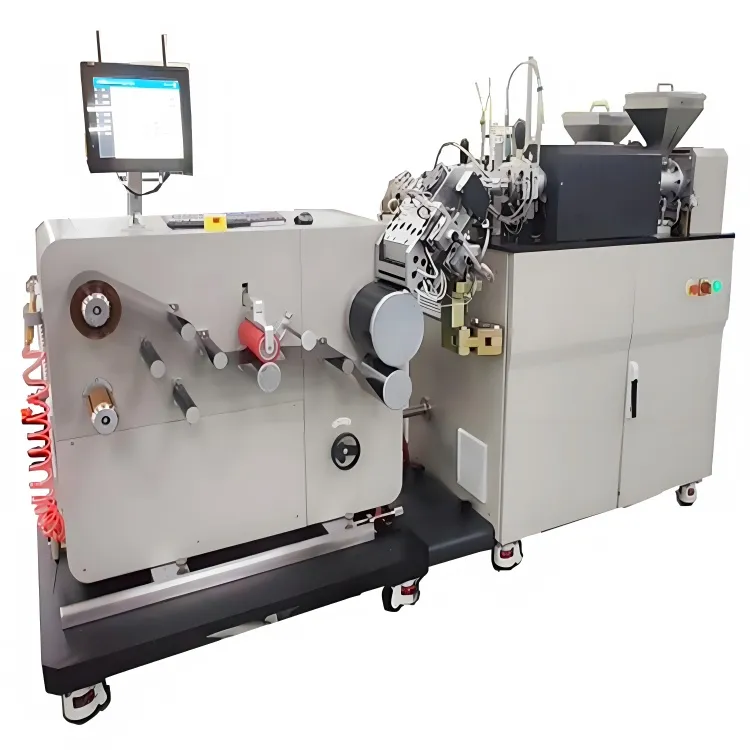
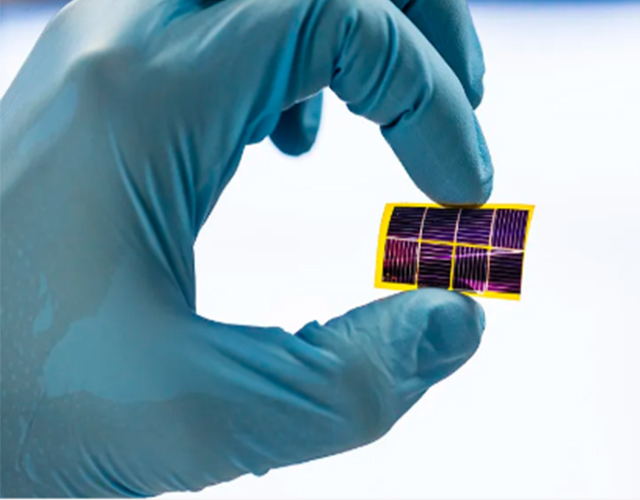
The renewable energy sector demands specialized film processing solutions that go beyond conventional capabilities. As solar panel manufacturers push for 25+ year lifespans (NREL 2023) and battery developers require precision separator films to prevent thermal runaway (Nature Energy 2023), traditional film processing methods often fall short. Our film stretching and extrusion systems are designed specifically to meet these stringent requirements, offering unparalleled consistency and control throughout the production process.
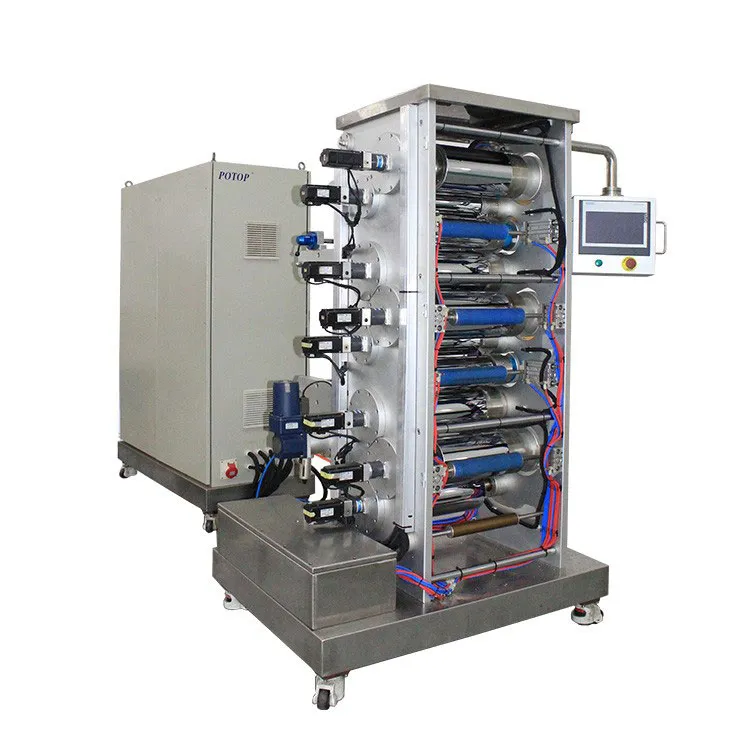
Modern battery separator films require precise porosity control between 40-60% to ensure optimal ion transport while preventing dendrite formation. Our biaxial stretching systems achieve this with thickness variations below 5%, significantly outperforming industry standards. For solar encapsulants, our solutions maintain critical optical properties with less than 2% haze after rigorous 3000-hour accelerated weathering tests, exceeding IEC 61215 certification requirements. These capabilities directly address the growing demand for high-performance materials in both industries.
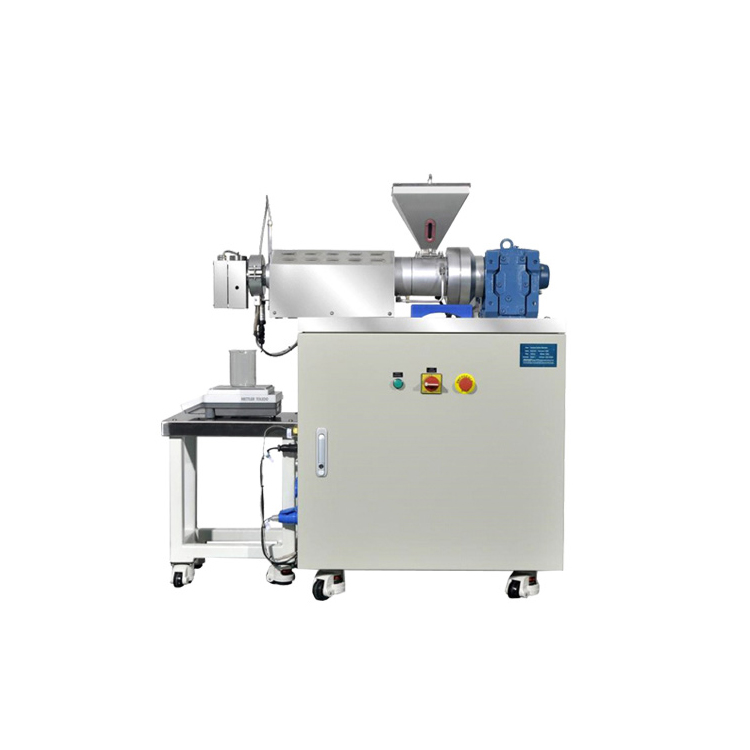
Standard laboratory extruders struggle to replicate actual production conditions, creating a significant gap during material development (SPE 2023). Our advanced extrusion systems overcome these limitations through several key innovations that provide accurate scale-up predictions.
Unlike conventional lab equipment typically limited to 5kg/hr throughput, our systems operate at 20-50kg/hr while maintaining precise control over more than 100 process parameters. The industrial-grade PLC control system offers superior monitoring capabilities compared to standard lab setups. Perhaps most importantly, our extruders use the same 30:1 to 40:1 L/D screw ratios found in production lines, eliminating the scaling challenges that commonly occur during technology transfer.
| Feature | Standard Equipment | Our Solution |
|---|---|---|
| Parameter Control | Basic monitoring | 100+ variables tracked |
| Throughput (kg/hr) | ≤5 | 20-50 |
| Screw L/D Ratio | 25:1 | 30:1 - 40:1 |
| Scaling Accuracy | ≤70% | 92-95% |
The transition from laboratory development to full-scale production represents one of the greatest challenges in renewable material development. A recent case study with a TOPCon solar panel manufacturer demonstrated how our advanced processing systems can dramatically accelerate this process while improving outcomes.
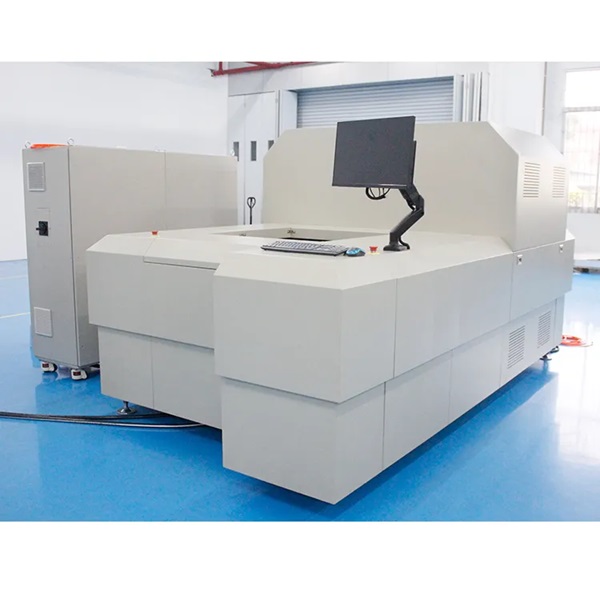
The client reduced their development timeline from 18 months to just 6 months by implementing our complete processing solution. This included initial formulation screening with our torque rheometer, followed by material testing on production-matched extrusion systems, and final validation using our biaxial stretching equipment. The result was not only faster time-to-market but also a 30% reduction in material waste during development.
For companies working on next-generation battery and solar technologies, these processing advantages translate directly into competitive benefits. Developers can test more formulations in less time, achieve better correlation with full-scale production, and ultimately bring superior products to market faster. Our solutions effectively close the gap between laboratory innovation and commercial viability in the renewable energy sector.
About the Author
Mark Williams is a senior engineer specializing in polymer processing systems for renewable energy applications. With twelve years' experience across Europe and Asia, he's helped battery and solar manufacturers implement advanced film production solutions. His practical expertise focuses on bridging the gap between R&D and full-scale manufacturing.
References:
NREL (2023) Photovoltaic Reliability Report
Nature Energy 8:324-335 (2023)
SPE Annual Technical Conference Proceedings (2023)
IEC 61215 Terrestrial Photovoltaic Standards
U.S. Department of Energy Battery500 Roadmap