Address:
202,101, No. 3, Kaifa Road, Dalong Street ,Panyu District, Guangzhou, Guangdong Focus On Polymer New Molding Equipment


WHAT ARE YOU LOOKING FOR?


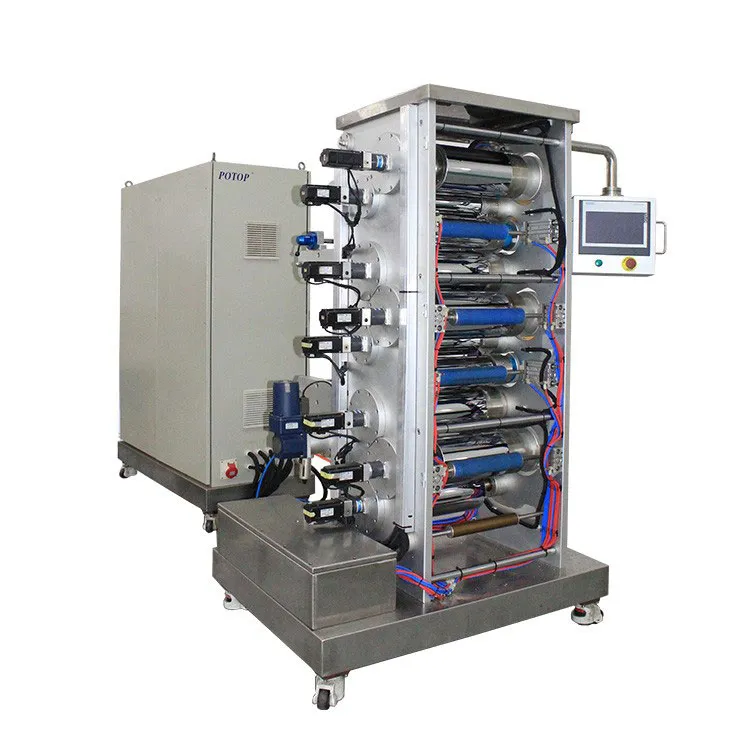


As demand grows for high-performance polymer films in batteries, electronics, and advanced packaging, manufacturers need more precise methods to control film structure and mechanical properties. Traditional stretching methods may not provide sufficient control over molecular orientation, thickness uniformity, and functional performance.
A biaxial stretching machine enables researchers and engineers to stretch polymer films in two directions under controlled conditions, creating balanced molecular orientation and improving key properties such as strength, thermal stability, and dimensional consistency. From battery separator development to optical film research, controlled biaxial stretching has become an important technology for evaluating and optimizing advanced film materials.
By adjusting stretching ratio, temperature, speed, and tension conditions, a laboratory-scale system helps bridge the gap between material research and industrial production.
Functional films are designed for demanding applications where small variations in structure can affect overall performance. Whether used in lithium battery separators, optical components, or high-barrier packaging, these films require precise control of thickness, mechanical strength, and stability.
During the stretching process, polymer chains become oriented along specific directions. This molecular alignment can improve tensile properties and resistance to deformation. However, uncontrolled stretching may create uneven orientation, internal stress, or inconsistent film performance.
A biaxial stretching machine provides researchers with accurate control over the deformation process, allowing them to study how different stretching conditions influence final film characteristics. Compared with conventional testing approaches, biaxial stretching provides a more complete understanding of how materials behave under multi-directional stress.
For example, battery separator films need a balance between mechanical strength and flexibility, while optical films require uniform orientation to maintain consistent optical performance. Through controlled stretching and evaluation, engineers can optimize materials before entering large-scale manufacturing.
Biaxial stretching processes are mainly divided into sequential stretching and simultaneous stretching. The difference lies in how the film is stretched along the machine direction and transverse direction.
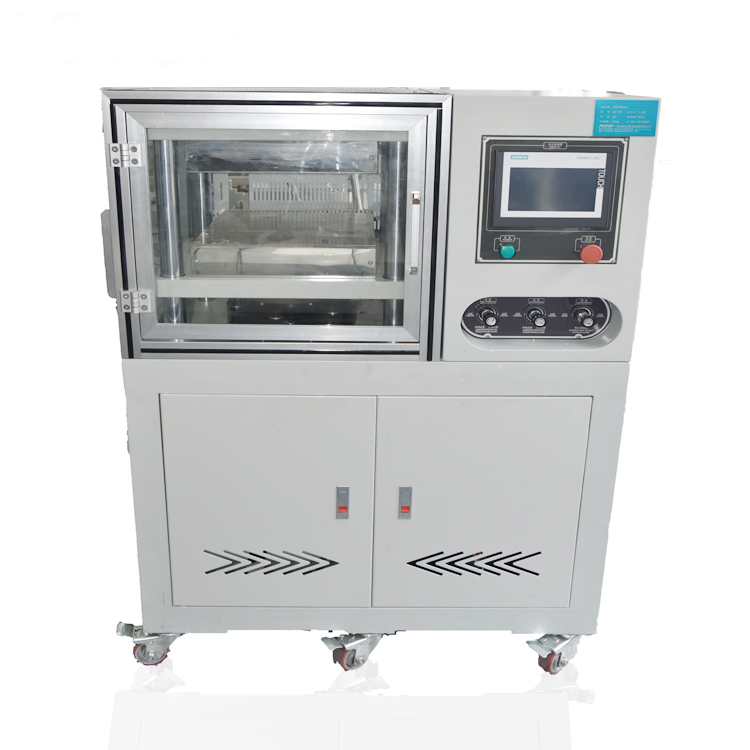
A laboratory biaxial stretcher helps researchers compare different stretching methods and understand their influence on film properties.
Sequential biaxial stretching: The film is stretched in one direction first and then stretched in the second direction. This method allows researchers to adjust each stretching stage independently and analyze directional effects.
Simultaneous biaxial stretching: The film is stretched in both directions at the same time, helping achieve more balanced molecular orientation and reducing differences between directions.
Sequential methods are commonly used when engineers need detailed process analysis, while simultaneous stretching is preferred when balanced properties are required. The selection depends on the target material, production requirements, and desired performance characteristics.
The quality of stretched films depends heavily on process parameter control. Temperature, stretching speed, and stretch ratio directly influence molecular movement and the final structure of the polymer film.
Temperature determines how easily polymer chains can move during stretching. If the temperature is too low, the material may crack or experience uneven deformation. Excessive temperature may reduce stability and affect the final properties.
Stretching speed also plays an important role. A controlled speed allows polymer chains to align gradually and improves repeatability between samples. The stretch ratio determines how much orientation is introduced into the film and affects strength, flexibility, and dimensional stability.
| Process Parameter | Influence on Film Properties | Research Importance |
|---|---|---|
| Temperature Control | Affects polymer mobility | Prevents defects during stretching |
| Stretching Speed | Determines orientation efficiency | Improves testing repeatability |
| Stretch Ratio | Controls molecular alignment | Adjusts mechanical performance |
| Tension Uniformity | Maintains consistent deformation | Reduces sample variation |
For research laboratories, combining a film stretching machine with accurate measurement methods allows engineers to understand how processing parameters affect material behavior. A proper stretching test can provide valuable data for optimizing film formulations and production conditions.
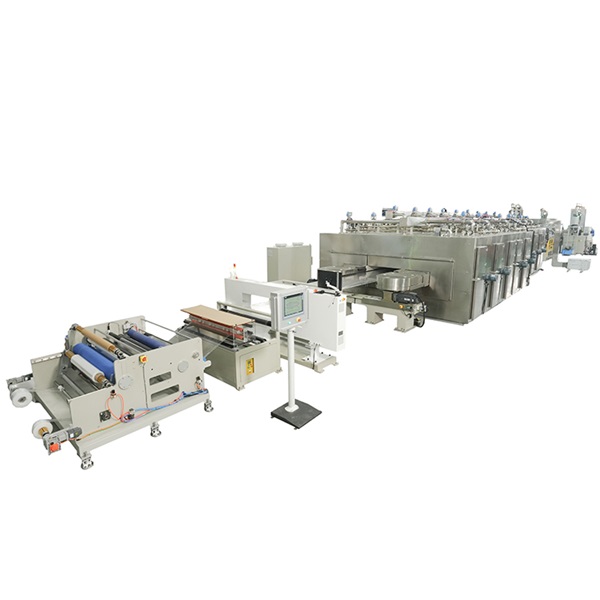
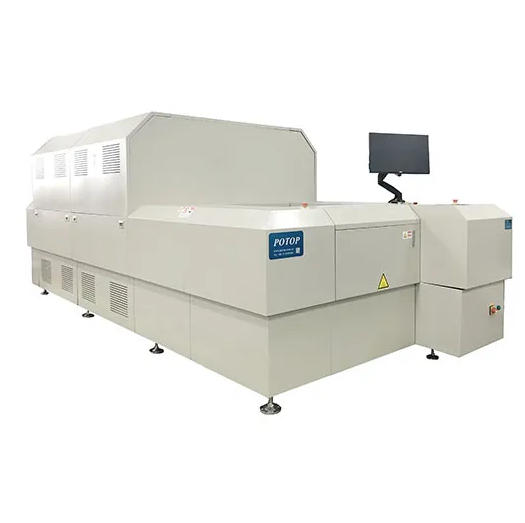
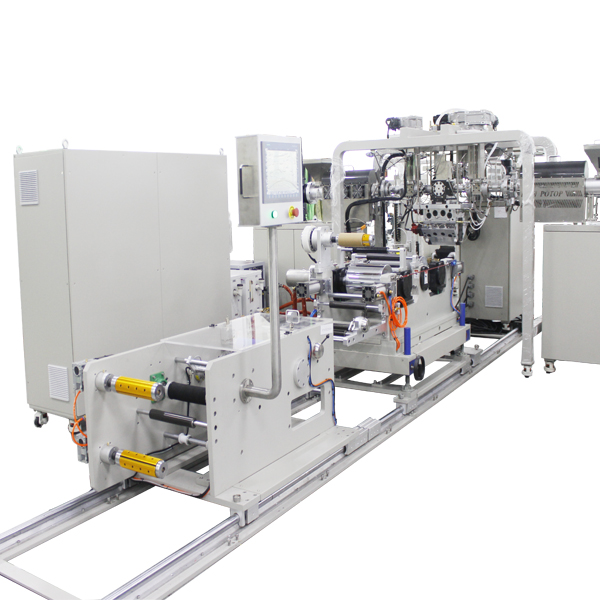
Continuous biaxial stretching technology is widely used in industries that require advanced polymer films. Different applications have different requirements, but all depend on accurate control of film structure.
Battery separator development is one of the most important applications. Separator films must provide mechanical durability while maintaining stable performance during battery operation. Controlled stretching helps improve strength and dimensional stability, supporting safer battery designs.
Optical films used in displays and electronic devices require excellent transparency and uniformity. Balanced molecular orientation created through biaxial stretching helps maintain consistent optical properties across large film areas.
Packaging films also benefit from stretching technology. Compared with ordinary films, oriented films can provide improved toughness, clarity, and barrier performance. A laboratory stretch film manufacturing machine allows researchers to evaluate new materials and simulate industrial processing conditions before mass production.
Moving from laboratory experiments to commercial production requires reliable data and repeatable processes. Material developers need to understand how stretching conditions influence film performance before investing in larger manufacturing systems.
A biaxial stretching machine provides an effective platform for studying different materials, adjusting process parameters, and generating data for scale-up decisions.
Material evaluation: Researchers can test different polymer formulations and compare how they respond to various stretching conditions.
Process optimization: Engineers can determine suitable temperature ranges, stretching ratios, and speeds before transferring results to pilot production.
This approach reduces development risks and improves production efficiency. By using laboratory data as a foundation, manufacturers can better control quality when moving toward industrial-scale film production.
POTOP-LAB provides laboratory film testing and stretching solutions that support polymer research, battery separator development, and functional film innovation. Through accurate control and repeatable testing, researchers can better understand material performance and accelerate new product development.
It is commonly used for polymer films, battery separators, packaging films, and functional materials.
Biaxial stretching applies force in two directions, while uniaxial stretching focuses on one direction.
Proper temperature helps achieve uniform deformation and stable material performance.
Yes. Laboratory data helps optimize parameters before pilot and large-scale manufacturing.
It can enhance strength, dimensional stability, and balanced mechanical properties.