Address:
202,101, No. 3, Kaifa Road, Dalong Street ,Panyu District, Guangzhou, Guangdong Focus On Polymer New Molding Equipment


WHAT ARE YOU LOOKING FOR?


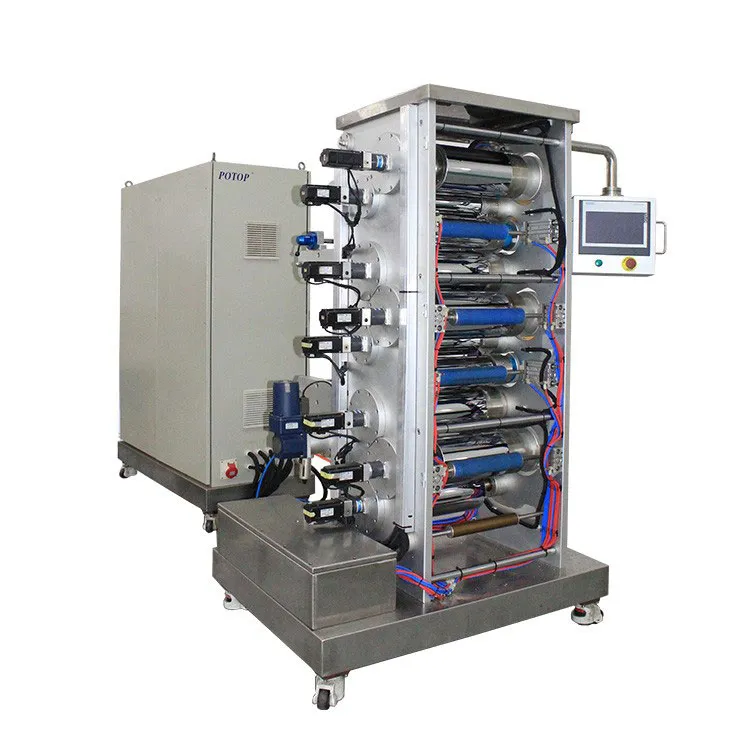


Co-extruder machines are the backbone of multilayer film and sheet production—enabling barrier structures, improved mechanical performance, and specialized surface functionality. But co-extrusion also amplifies the cost of instability: a small drift in temperature, pressure, or material handling on one extruder can ripple through the feedblock and die, showing up as gauge variation, interlayer distortion, gels, or scrap. This guide provides practical, shop-floor-friendly maintenance tips for co-extruder machines, including a preventive maintenance schedule, component-specific best practices (feedblock, die, screen changer, melt pump, screws/barrels), and a troubleshooting table you can use when defects appear. The goal is straightforward: reduce downtime, stabilize quality, and extend equipment life—without turning this into a generic “lubricate and clean” checklist. Note: Always follow your OEM manual and plant safety procedures. The recommendations below are general best practices and should be adapted to your co-extruder machine's design, polymer family, and local regulations.
Co-extrusion lines add complexity in three core ways—and those differences should shape how you maintain co-extruder machines.
Multiple extruders feed a single structure. A small output drift in one layer can cause thickness imbalance, neck-in changes, or interfacial instability. In other words, the “symptom” may appear at the die, while the “cause” sits upstream in one extruder, a feeder, or a material handling issue.
Feedblocks, multi-manifold dies, and layer distribution channels can trap degraded polymer, creating contamination that is hard to diagnose later. When co-extruder machines run frequent product changeovers, these sensitivity points often become the source of gels, black specks, and recurring streaks.
Temperature zones, pressure sensors, gravimetric feeders, melt pumps, and control loops must be stable and correctly tuned. Maintenance for co-extruder machines is not only mechanical—it's also measurement integrity. If your sensors drift, you end up “correcting” the process based on incorrect data.
If you treat co-extruder machines like “just an extruder with more barrels,” you'll often end up fighting recurring defects rather than preventing them.
Before any maintenance work, align your workflow with Lockout/Tagout (LOTO) requirements and internal EHS procedures. In the U.S., OSHA's LOTO standard is a baseline reference for controlling hazardous energy: 29 CFR 191.147.
Isolate all energy sources: electrical, pneumatic, hydraulic, and thermal (where applicable).
Verify “zero energy”: don't assume. Confirm motors can't start and stored pressure is relieved.
Treat heaters and melt as hazards: hot surfaces, purge compounds, fumes, and molten polymer can cause severe injuries.
Document the sequence: a repeatable LOTO + restart checklist prevents “tribal knowledge” gaps across shifts.
Because co-extruder machines involve multiple extruders and downstream components, make sure your LOTO plan covers the entire system—not just the extruder drive.
A preventive maintenance (PM) schedule should be built around two ideas:
Prevent defects before they appear (contamination control, stable temperature/pressure, consistent feeding).
Catch wear early (screw/barrel wear, screen pack loading, heater/sensor drift).
Below is a practical PM framework you can adapt. Adjust intervals based on run hours, resin family (filled materials accelerate wear), and your changeover frequency. For many plants, the best PM plan for co-extruder machines is a hybrid of calendar-based tasks and trend-based triggers.
Focus on material handling, cleanliness, and early drift indicators.
Daily PM checklist
Material handling
Confirm dryer operation and settings (if applicable); check hopper loaders for leaks.
Inspect hoppers for bridging, pellet dust, or moisture-related clumping.
Contamination control
Clean around hoppers and feed throats; prevent regrind dust ingress.
Verify purge procedures were followed after material changes.
Process stability quick scan
Record: key temperature zones (actual vs setpoint stability), melt pressure trend, main drive amps, and feeder rates.
Visual inspections
Look for polymer drool, leaks at adapters, unusual smells (degradation), or abnormal vibration/noise.
Tip: A 2-minute “trend scan” each shift often prevents multi-hour troubleshooting later. If you don't log it, you can't compare it—especially when multiple co-extruder machines operators share responsibility across shifts.
Focus on electrical/mechanical condition and consistent heating/cooling.
Weekly PM checklist
Inspect heater bands, wiring, and terminal tightness (power off and LOTO applied).
Clean cooling fans and air paths around barrel zones and control cabinets.
Inspect feeder mechanics (gravimetric feeders, loss-in-weight systems): buildup, dust, calibration flags.
Check vacuum loaders, filters, and hose condition (micro-leaks cause unstable feeding).
Focus on measurement integrity and repeatability.
Monthly PM checklist
Sensor verification
Validate temperature readings (look for zones that “hunt” or overshoot).
Compare pressure sensor stability and repeatability (watch for drift).
Control loop stability
Review PID behavior in temperature zones (oscillation often indicates sensor/heater issues).
Alignment / mechanical
Inspect coupling alignment (where applicable), gearbox oil condition, and mount integrity.
Screen changer discipline
Review screen pack change intervals and pressure-rise trends. A steadily shortening interval often points to contamination upstream.
Focus on high-impact wear items and deep cleaning.
Quarterly/Annual tasks
Planned screw pull inspection (as run hours and materials justify).
Barrel wear measurement strategy (OEM method; track changes over time).
Feedblock and die inspection/cleaning during major shutdowns.
Melt pump inspection (if installed): seals, wear, stability.
Review spare parts usage and update critical spares list for your co-extruder machines fleet.
The feedblock is often where “mysterious” co-extrusion defects originate—especially during frequent product changes on co-extruder machines.
What to watch
Layer instability, waviness, or interfacial distortion
Unexplained thickness variation even when extruder outputs look stable
Contamination streaks that don't match a single extruder's material
Maintenance tips
Use OEM-approved cleaning methods and tools; avoid scratching or damaging flow surfaces.
Identify “dead spots” where polymer can stagnate and degrade—common contamination sources.
During scheduled shutdowns, inspect for buildup at transitions, distribution channels, and sealing surfaces.
Ensure assembly torque and alignment are consistent (uneven assembly can create flow imbalance).
The die is a quality multiplier: minor lip contamination can become a continuous defect on the roll.
What to watch
Die lines, edge beads, surface streaks
Frequent lip cleaning needs
Corrosion or pitting (depends on polymer/additives)
Maintenance tips
Maintain disciplined cleaning intervals based on run hours and resin type.
Use purge compounds appropriately; avoid over-aggressive purging that risks pushing degraded material into sensitive areas.
Inspect and maintain die lip condition; small imperfections can create persistent lines.
Verify heater zones on/around the die are stable; cold spots encourage buildup.
Screen packs protect downstream components and stabilize melt quality, but they also tell you when upstream contamination is increasing—particularly valuable for co-extruder machines running recycled content or frequent material switches.
What to watch
Faster-than-normal pressure rise across the screen pack
Sudden pressure instability (could indicate partial blockage, air ingress, or material inconsistency)
More frequent changes needed after a material batch change
Maintenance tips
Standardize screen pack configurations for common products where possible.
Track “time to pressure limit” as a KPI—trend it weekly.
Inspect breaker plates and sealing surfaces during shutdowns for damage or polymer buildup.
If your line uses a melt pump, maintenance helps preserve stable flow and reduces gauge variation.
What to watch
Output instability at constant RPM
Seal leaks or abnormal noise
Pressure ripple that wasn't previously present
Maintenance tips
Follow OEM lubrication and inspection procedures strictly (gear pumps vary by design).
Inspect seals and check for polymer leakage early—seal issues can rapidly escalate.
Trend melt pressure stability; gear pump wear often shows up as drift and reduced efficiency over time.
Screws and barrels are wear items, and co-extruder machines often run long hours where gradual wear is easy to ignore.
Common wear signals
Higher motor amps for the same output
Reduced throughput at the same screw speed
More temperature sensitivity (needing higher temperatures to maintain output)
Increased melt temperature variability (shear changes)
More frequent screen changes (if contamination is linked to degradation)
Maintenance tips
Don't wait for catastrophic failure—plan inspections around run hours and material abrasiveness.
Keep a baseline “healthy line” record: amps, output, melt pressure, and typical temperature stability for each product.
If you run filled/abrasive materials, shorten inspection intervals and review barrel wear protections with your OEM.
The fastest troubleshooting method is to start with trends rather than guesses. When defects show up, pull the last 24–72 hours of:
Melt pressure before/after screen changer
Temperature stability (actual vs setpoint, not just setpoint)
Main drive amps
Feeder rates / weight stability
Dryer performance (where applicable)
Below is a practical troubleshooting table you can adapt into a one-page SOP for co-extruder machines.
| Symptom | Likely causes | What to check (fast) | Practical fixes |
|---|---|---|---|
| Gauge/thickness variation | Unstable feeding; melt pump wear; temperature oscillation; layer imbalance | Feeder consistency; pressure stability; zone hunting; gear pump signals | Stabilize material handling; verify heaters/sensors; check pump seals/wear; recalibrate feeder |
| Gels / black specks | Degraded polymer in dead spots; contamination; overheating; poor purge | Screen pack loading rate; hot spots; feedblock/die dead spots | Improve cleaning interval; verify temperature uniformity; review purge procedure; inspect feedblock/die during shutdown |
| Temperature zone hunting / overshoot | Failing heater band; loose wiring; thermocouple drift; PID tuning | Compare actual vs setpoint stability; inspect wiring/heaters | Replace suspect heater/TC; tighten electrical connections; re-tune PID per OEM guidance |
| Output drop / high motor load | Screw/barrel wear; blockage; screen pack loading; material inconsistency | Trend amps + output; melt pressure rise; screen change interval | Replace screen pack; inspect for blockage; plan screw/barrel inspection; validate material consistency |
| Feed bridging / inconsistent feeding | Hopper design; pellet dust; moisture; vacuum loader leaks | Hopper condition; dryer settings; vacuum line integrity | Clean hopper; improve material conditioning; fix leaks; consider anti-bridging solutions |
Co-extruder machines benefit from simple monitoring even without a full digital retrofit.
High-ROI signals to trend
Melt pressure stability and pressure-rise rate across screens
Temperature stability per zone (variance matters more than setpoint)
Main drive amps vs output (efficiency trend)
Feeder stability (gravimetric variance, refills, alarms)
Optional tools
Infrared thermography for identifying heater failures or abnormal hot spots
Vibration checks for rotating equipment (as plant standards allow)
For many plants, downtime costs more than the part. Define:
Must-stock spares (high failure impact, long lead time)
Should-stock spares (medium impact)
Order-on-demand (low impact, short lead time)
Typical must-stock candidates for co-extruder machines (varies by line):
Heater bands (common sizes), thermocouples, fuses/relays (as applicable)
Screen packs and sealing components for screen changers
Critical seals (especially if you use a melt pump)
Wear components identified by your OEM as long-lead items
Many repeat defects come from inconsistent daily practices rather than bad hardware.
Simple training elements that pay off
Purge and changeover SOP (what to purge, how long, what “clean” looks like)
How to interpret pressure and temperature trends
Safe cleaning procedures for feedblock and die areas
“Stop-the-line” criteria (what symptoms justify intervention before scrap grows)
If you operate multiple co-extruder machines, standardized logs also help you compare performance across lines and identify which machine needs planned intervention first.
Sometimes maintenance problems are not just “lack of discipline”—they're structural. Consider evaluating a new co-extrusion line if you see:
Chronic access difficulty (cleaning/inspection requires excessive teardown)
Limited monitoring and poor visibility into drift (hard to trend key variables)
Frequent heater/sensor failures due to layout or poor thermal management
High scrap during changeovers because purge paths and dead spots are hard to control
Repeated unplanned downtime tied to obsolete components or long lead times
When comparing suppliers, include maintainability as a decision criterion—not only output and layers. Look for:
Accessible heater/sensor layouts
Clear maintenance documentation
Modular component design (feedblock, screen changer, melt pump integration)
Monitoring features that support trend-based maintenance
Get to know more about the Potop co-extrusion machines:
ABA Three-Layer Co-Extrusion Casting
It depends on resin, additives, and changeover frequency. A practical approach is to standardize cleaning around defect risk (gels/black specks) and pressure-rise trends (screen pack loading). Use planned shutdown windows for deep cleaning of feedblock/die areas.
Most common causes are unstable feeding, temperature oscillation, pressure instability (screen loading), and layer imbalance at the feedblock. Start troubleshooting with trend logs: feeder rates, melt pressure stability, and zone temperature variance.
Symptoms include temperature “hunting,” overshoot, slow response, or zones that behave differently from neighboring zones under similar load. Verify wiring integrity and compare actual temperature stability over time.
They can improve pressure stability and gauge control, but they introduce seals and wear components that require disciplined inspection. If you run a melt pump, trend pressure stability and inspect seals proactively.
Prevent polymer degradation in dead spots (feedblock/die transitions), maintain stable temperatures (avoid local overheating), and follow a consistent purge and material handling SOP. Trend screen pack loading: it often provides early warning.
Common high-impact items include heater bands, thermocouples, screen packs, and critical seals (especially if you use a melt pump). Your final spares list should match your line design and lead-time reality.
Focus on high-leverage items: material handling consistency, contamination control, and trend-based detection (pressure/temperature/amps). A small daily checklist plus basic logging often prevents major downtime events on co-extruder machines.