Address:
202,101, No. 3, Kaifa Road, Dalong Street ,Panyu District, Guangzhou, Guangdong Focus On Polymer New Molding Equipment


WHAT ARE YOU LOOKING FOR?


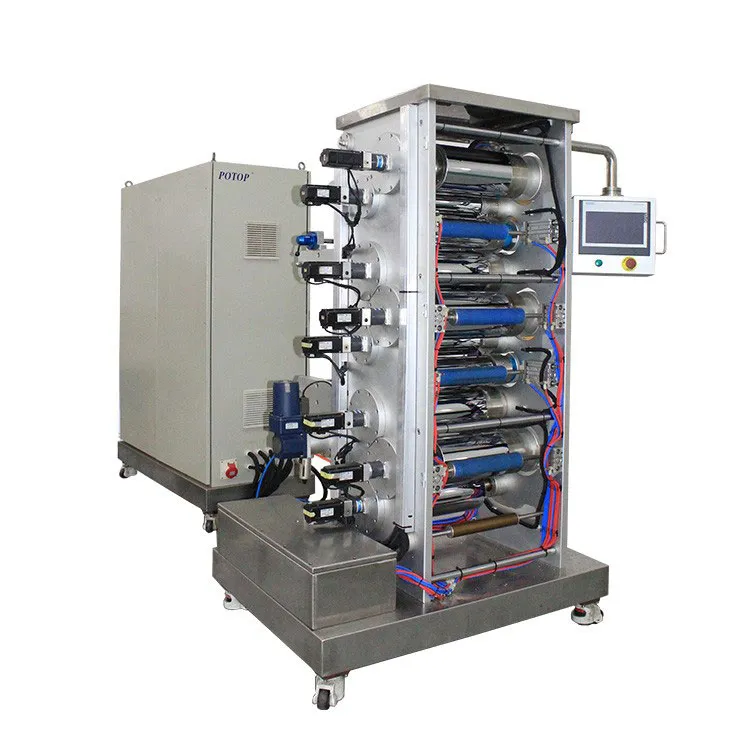


In the ever-evolving landscape of material science, biaxial tensile testing has emerged as a cornerstone methodology for evaluating the mechanical anisotropy and molecular orientation of polymers. As global industries transition toward Industry 4.0, the demand for high-precision, automated, and multi-functional testing has intensified. Traditional uniaxial tests are increasingly insufficient for modern high-performance materials that must withstand complex, multi-directional stresses in real-world environments. This article explores the latest technological breakthroughs in biaxial stretching and tensile analysis, highlighting how these innovations are reshaping the industry through the expertise of leaders like Guangzhou POTOP Co., Ltd.
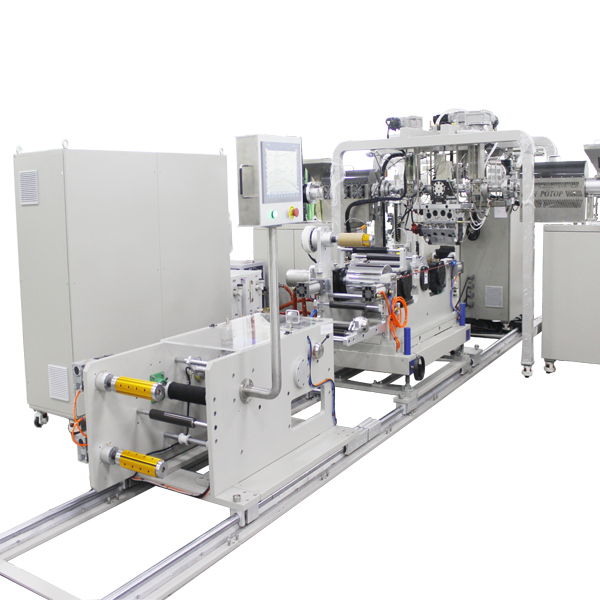
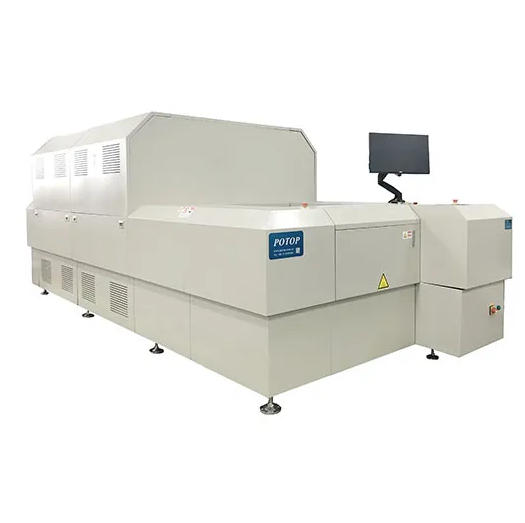
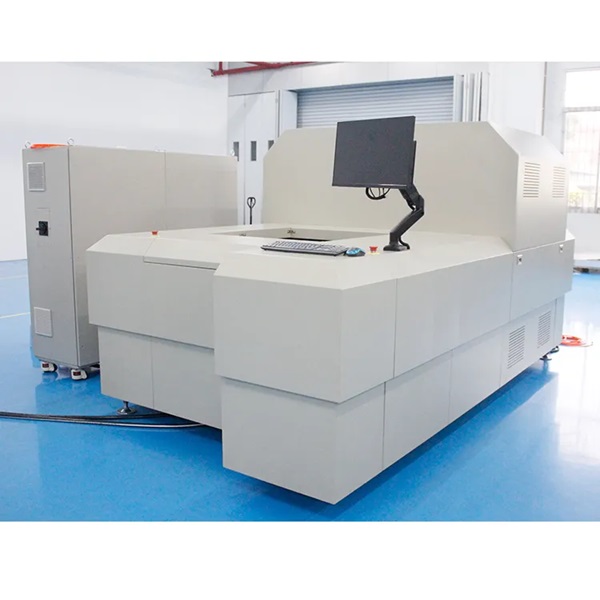
Recent breakthroughs in biaxial tensile testing technology have redefined how researchers assess the structural integrity of films and membranes. The most significant innovation lies in the transition from simple mechanical linkages to independent servo-controlled multi-axis systems. Traditional testing methods often struggled with synchronization, leading to uneven stress distribution. However, state-of-the-art dual-axis testing machines now offer independent control over the Machine Direction (MD) and Transverse Direction (TD), allowing for both simultaneous and sequential stretching with millimeter precision.For instance, Guangzhou POTOP has pioneered the development of ultra-high temperature film biaxial stretching instruments. These machines can operate at extreme temperatures—exceeding 400°C for specialized engineering plastics like PI and PEEK—which is vital for applications in the new energy and microelectronics sectors. Several studies indicate that these high-temperature innovations enhance the accuracy of thermal-mechanical analysis by over 25%, providing critical data for materials that must perform in harsh aerospace or automotive environments.
The integration of advanced software and real-time analytics is transforming biaxially oriented film R&D. Modern testers are no longer just mechanical “pullers”; they are fully integrated digital diagnostic platforms.
Real-time Stress-Strain Mapping: Advanced sensors and high-precision load cells now monitor strain and stress in real-time, allowing researchers to visualize the yield point and molecular relaxation phases as they happen.
Optical Integration (DIC Technology): One of the most remarkable advancements is the utilization of Digital Image Correlation (DIC). By using high-speed cameras and specialized software, researchers can perform non-contact surface deformation analysis, obtaining a full-field strain map that traditional physical sensors might miss.
Automated Data Synchronization: Guangzhou POTOP’s equipment integrates PLC-based intelligent control systems, which minimize human error. By automating the data collection process, companies ensure reproducible results across global laboratory standards, a necessity for ISO and ASTM compliance.
The benefits of modern biaxial tensile testing technology extend far beyond simple data accuracy; they encompass cost efficiency, accelerated R&D cycles, and enhanced product reliability.
Reduced Material Waste: Traditional trial-and-error on mass production lines is prohibitively expensive. POTOP’s lab-scale biaxial stretchers allow manufacturers to test small resin samples (as small as 80mm-115mm square), saving thousands of dollars in raw materials during the formulation phase.
Enhanced Product Lifespan: In the medical packaging and battery separator industries, a 1% improvement in material uniformity can lead to a 20% increase in product safety and lifespan. Accurate biaxial data ensures that films are optimized for maximum puncture resistance and barrier properties.
Tailored Industry Solutions: The move towards bespoke testing configurations allows organizations to tailor stretching ratios (up to 10:1 or more) specific to their application, whether it be for biodegradable PLA films or high-strength BOPET membranes.
As the landscape of material testing continues to evolve, artificial intelligence (AI) and predictive modeling are becoming integral to biaxial testing apparatus. Innovative designs now incorporate AI-driven analytics to forecast how a polymer will behave under long-term environmental fatigue based on a single 10-minute biaxial test.Guangzhou POTOP’s commitment to innovation is reflected in its portfolio of over 66 patents. By focusing on the intersection of mechanical engineering and polymer chemistry, the company has developed machines that can simulate biaxial orientation in diverse atmospheres (vacuum or inert gas). This focus on R&D allows for predictive modeling that can forecast material performance in microelectronics, where even a microscopic failure due to multi-axial stress can result in total system failure.
Looking ahead, the future of biaxial tensile testing is marked by a trend towards total laboratory automation and digital twins. As industries embrace Industry 4.0, the demand for “smart” testing solutions that connect directly to cloud-based ERP systems will rise.
Remote Monitoring and AR: Future trends include the adoption of augmented reality (AR) for remote diagnostic oversight, enabling experts at POTOP to assist clients with complex test setups in real-time from across the globe.
Sustainability Focus: The drive towards a circular economy is pushing the development of new testing protocols for bio-based and recycled polymers. Testing technologies must evolve to assess the unique mechanical instabilities of recycled resins, ensuring they meet the same rigorous standards as virgin materials.
Green Manufacturing Integration: Modern biaxial stretchers are becoming more energy-efficient, utilizing regenerative braking in servo motors and high-efficiency heating elements to reduce the carbon footprint of the testing process itself.
Innovations in biaxial tensile testing technology are revolutionizing how we understand and manufacture modern materials. As organizations like Guangzhou POTOP Co., Ltd. continue to lead the charge in creating state-of-the-art, high-temperature, and AI-compatible testing solutions, the implications for industries—from food packaging to aerospace—will be profound. Companies must stay informed and adaptable, ensuring they leverage these technological advancements to reduce R&D timelines, enhance product safety, and maintain a competitive edge in the global market. Explore how these biaxial orientation technologies can elevate your material science practices and drive the next wave of innovation in your sector.