
Address:
202,101, No. 3, Kaifa Road, Dalong Street ,Panyu District, Guangzhou, Guangdong Focus On Polymer New Molding Equipment


WHAT ARE YOU LOOKING FOR?


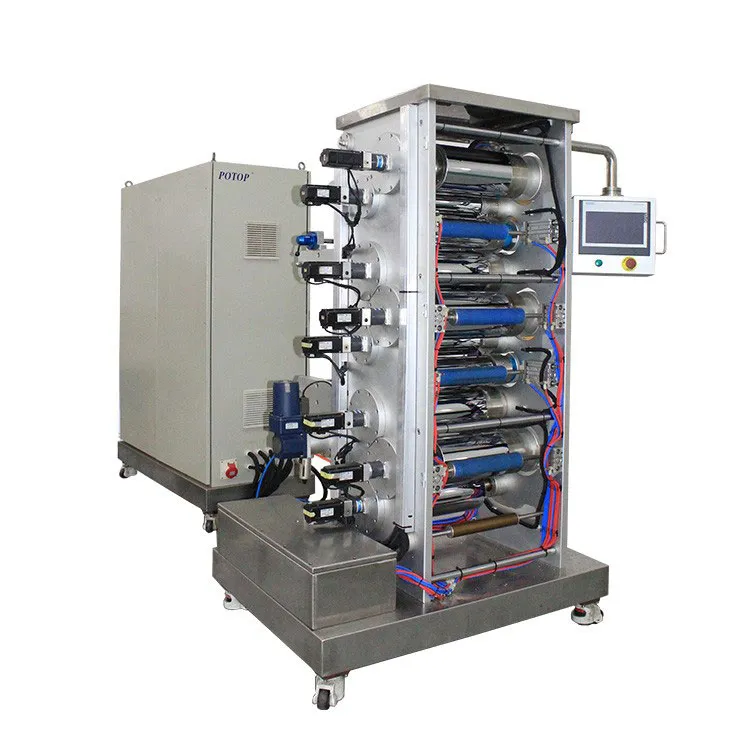


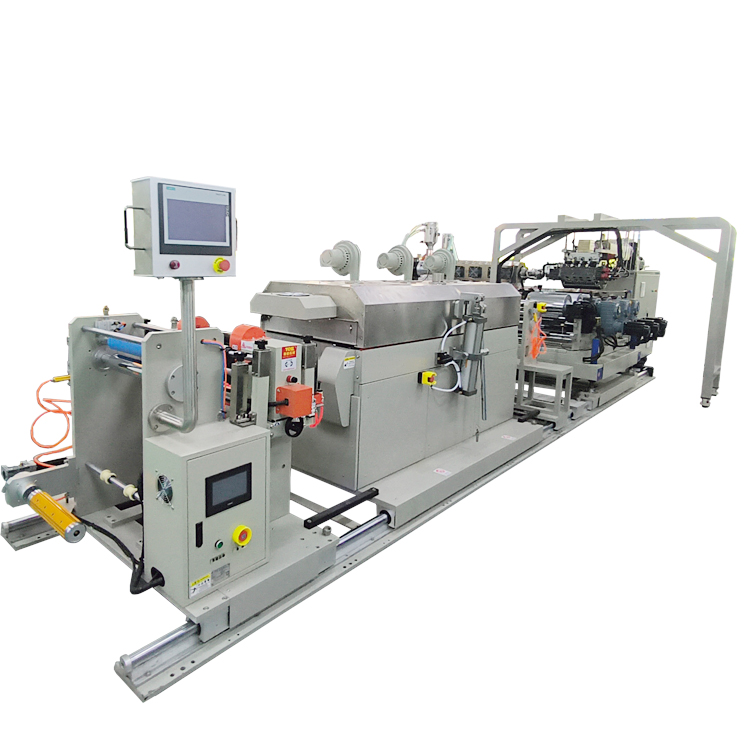
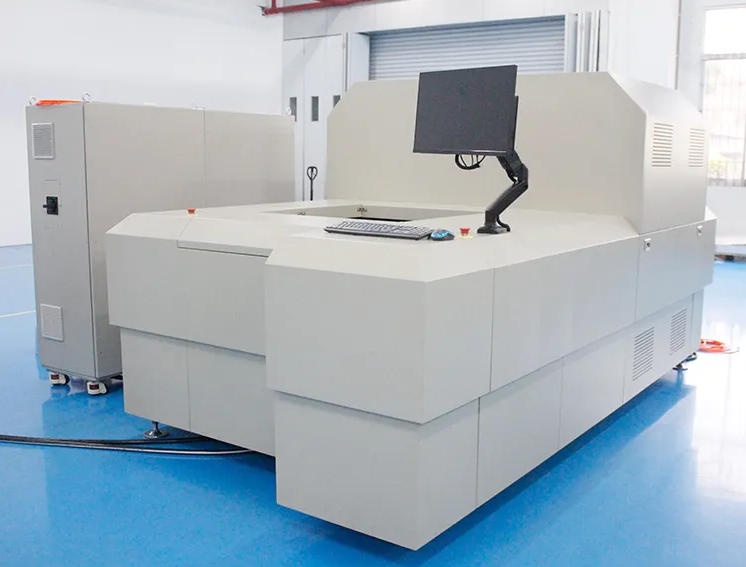
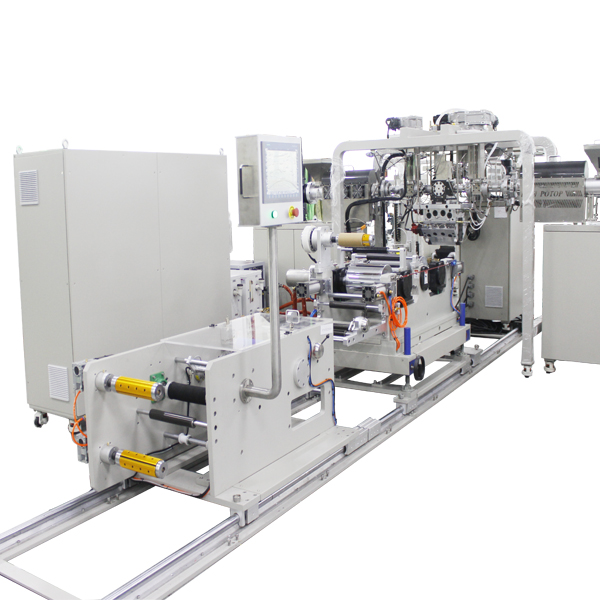
Biaxial tensile testing plays a pivotal role in understanding the mechanical behaviors of materials under complex loading conditions. In various industries, from advanced polymers to medical packaging, the ability to accurately assess these properties is crucial. However, practitioners often encounter significant technical complexities, such as maintaining axial synchronization and eliminating parasitic stresses at the specimen corners, which can impact the reliability and reproducibility of test results. This article explores the common hurdles in multi-axial characterization, the critical impact of environmental variables, and the innovative solutions provided by Guangzhou POTOP Co., Ltd., one of the leading manufacturers specializing in high-performance polymer processing and lab-scale stretching equipment.
Biaxial tensile testing involves applying forces in two directions simultaneously, which introduces unique complexities compared to standard 1D tests. One major challenge lies in the geometric design and preparation of test specimens. Uneven material thickness and molecular chain inconsistencies in the polymer can lead to localized necking, making it difficult to draw accurate conclusions about intrinsic material properties.Furthermore, the precision alignment of the four-way clamping system is critical. Misalignment can lead to asymmetric loading conditions, which compromise the integrity of the data. Conventional testing apparatus often struggle with “grip effects,” where stress concentrations at the clamping points cause premature failure before the material reaches its true biaxial limit. To address these gaps, Guangzhou POTOP has engineered state-of-the-art biaxial testers that utilize independent servo-motor controls for each axis, ensuring that the center of the specimen remains stationary and stress is distributed uniformly.
To enhance the reliability of biaxial tensile tests, practitioners must revisit their fundamental methodologies. Implementing standardized procedures is essential to mitigate discrepancies caused by human error or mechanical drift.
Standardized Specimen Geometry: Utilizing cruciform (cross-shaped) specimens is a widely recognized method to ensure that the maximum stress occurs in the central gauge area rather than the grips.
Advanced Calibration and Synchronization: Calibration must account for mechanical compliance and the synchronization of dual-axis strain rates. POTOP’s equipment addresses this by integrating high-precision PLC control systems that synchronize displacement with millisecond accuracy.
Real-Time Monitoring and DIC Integration: Utilizing Digital Image Correlation (DIC) technology allows for non-contact, real-field strain measurement. This helps identify inconsistencies as tests progress, allowing for immediate rectifications.
Virtual Simulation Integration: Leveraging Finite Element Analysis (FEA) software to predict material performance under specified biaxial ratios (such as 1:1, 1:2, or 1:4) reduces the need for extensive physical trial-and-error, aligning with the needs of modern R&D environments.
The impact of environmental test conditions on biaxial tensile outcomes cannot be overstated. Variations in temperature and humidity can directly influence the viscosity, elasticity, and glass transition temperature (Tg) of polymer materials.For instance, increased humidity can act as a plasticizer in certain polymers like Polyamide (Nylon), significantly reducing tensile strength and altering the biaxial orientation process. This variability necessitates rigorous environmental controls, such as integrated heating ovens or humidity chambers. Moreover, the strain rate sensitivity of materials means that a rapid pull can lead to brittle fracture, while slow strain rates might reveal ductile, time-dependent behavior. Understanding these relationships allows engineers to better interpret results and predict how materials will perform in real-world application-specific environments.
Guangzhou POTOP Co., Ltd. is at the forefront of overcoming these challenges through mechanical and digital innovation. Their advanced biaxial tensile testers are equipped with cutting-edge technology to ensure precise measurement across diverse material types.POTOP’s testers feature high-temperature stretching capabilities—exceeding 400°C for specialized engineering plastics—and independent axis displacement, which solves the common problem of axial drift. By providing environmental control systems that simulate vacuum or inert gas conditions, POTOP ensures that test results reflect the true performance of materials in extreme practical applications. Furthermore, POTOP collaborates closely with global academic institutions to refine their 66+ patents, ensuring their equipment meets the most stringent ISO and ASTM standards for polymer processing.
Improving practices in biaxial tensile testing requires a multifaceted approach that combines hardware excellence with operator expertise.
Investment in Synchronized Hardware: Practitioners should prioritize equipment that offers independent servo-driven axes, such as the solutions provided by POTOP, to eliminate the mechanical lag found in older linkage-based systems.
Comprehensive Personnel Training: Accurate testing depends on the operator’s ability to handle delicate thin films and align them perfectly within the pneumatic grips. Continuous professional development is key to maintaining high testing standards.
Adherence to Global Standards: Ensuring compliance with ISO 527-3 or ASTM D4595 provides a framework for data validity that is recognized by international regulatory bodies.
Engagement with Industry Experts: Participating in forums and consulting with manufacturers like POTOP can provide valuable insights into emerging trends like AI-driven predictive modeling, which uses historical data to forecast long-term material fatigue under biaxial stress.
While biaxial tensile testing presents various technical challenges—from specimen alignment to environmental sensitivity—ongoing advancements in equipment and methodology are providing robust solutions. By embracing the independent axis control and high-temperature precision offered by industry leaders like Guangzhou POTOP Co., Ltd., organizations can significantly enhance the reliability of their material evaluations. Adhering to rigorous testing standards and utilizing smart data analytics will ultimately lead to higher product quality and greater consumer trust in the global polymer market. For organizations looking to bridge the gap between lab-scale R&D and mass production, POTOP’s innovative biaxial stretching solutions offer the accuracy required for the next generation of high-performance materials.
References: