Address:
202,101, No. 3, Kaifa Road, Dalong Street ,Panyu District, Guangzhou, Guangdong Focus On Polymer New Molding Equipment


WHAT ARE YOU LOOKING FOR?


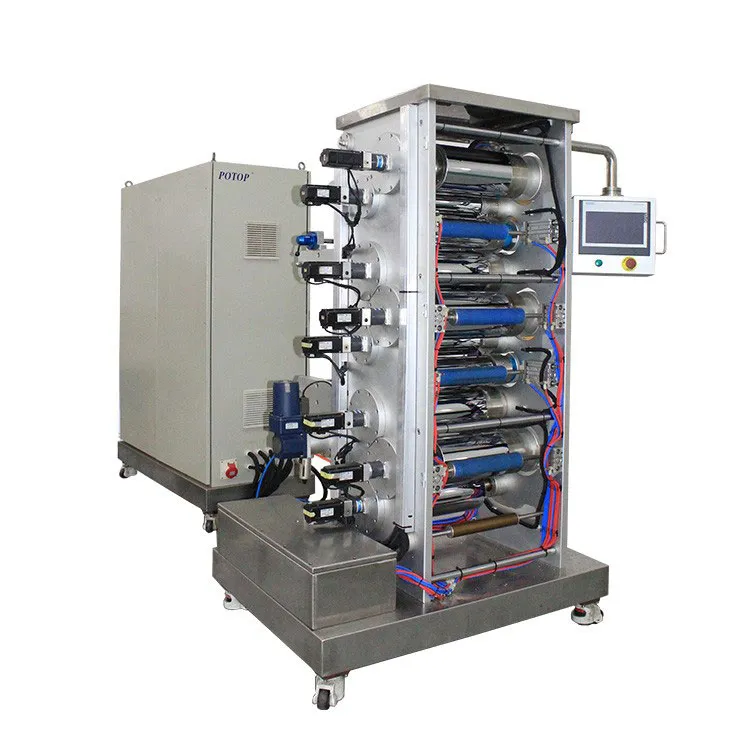


Films and coatings are essential in numerous industries, ranging from electronics to packaging. The durability of these materials is paramount, as it determines their performance, lifespan, and ability to withstand stress and environmental factors. One of the most effective methods to evaluate and enhance the durability of films and coatings is biaxial tensile testing. This method not only simulates real-world stress conditions but also provides critical data on material behavior, allowing manufacturers to optimize their products for better performance.
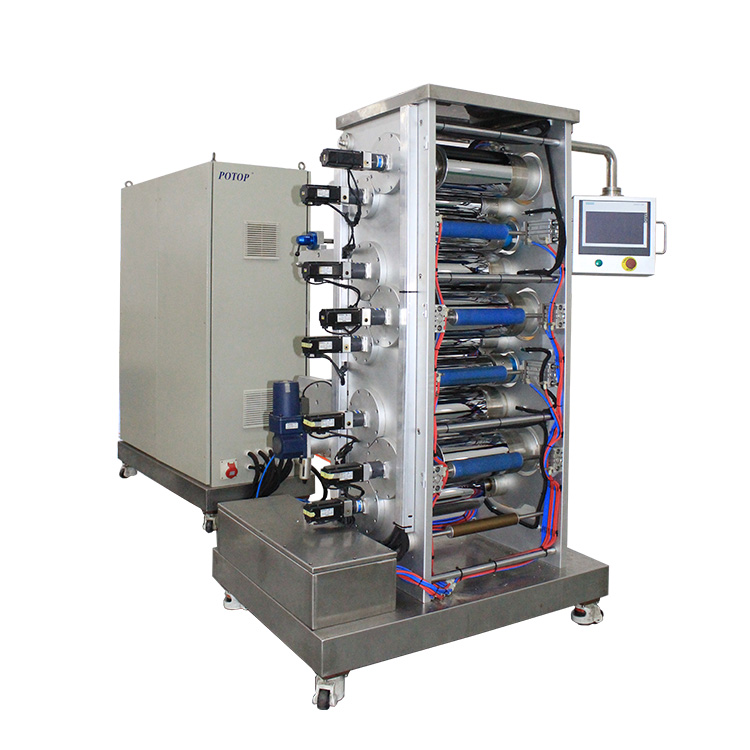
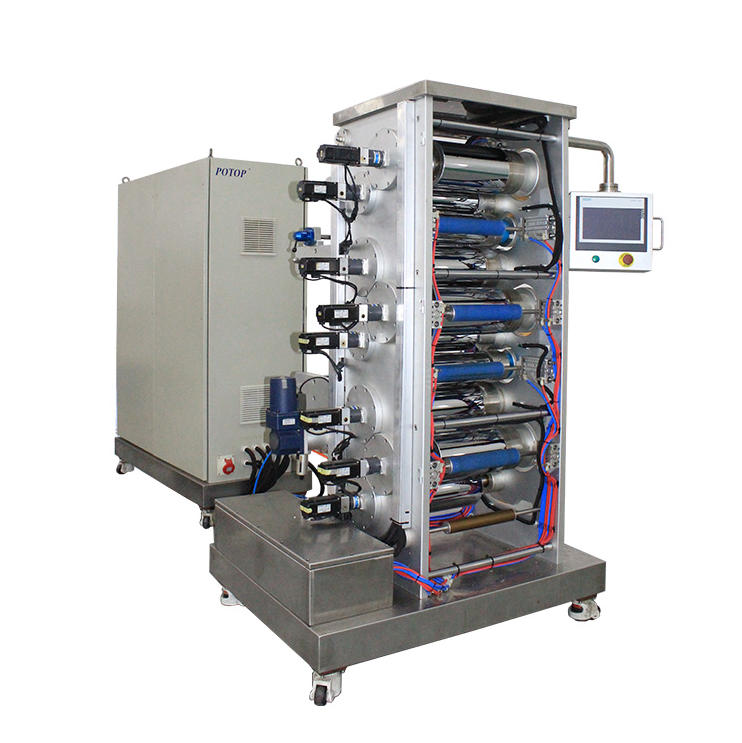
A biaxial tensile tester is designed to stretch a material in two perpendicular directions, simulating the stress and deformation that materials undergo during actual use. For films and coatings, which are often subjected to complex forces in real-world applications, biaxial testing provides a more accurate representation of material behavior compared to traditional uniaxial tests. This testing method reveals essential information about a material's tensile strength, elongation, and resistance to tearing under multi-axial stress, which are critical factors for ensuring the durability and reliability of films and coatings in various applications, including packaging, electronics, and automotive sectors.
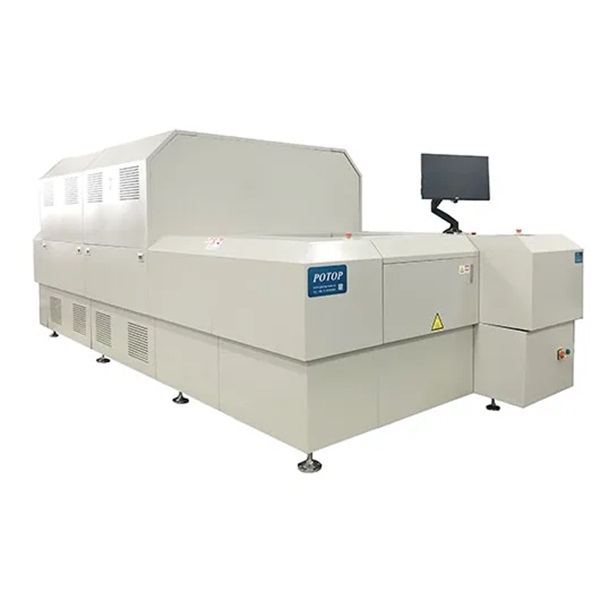
The biaxial tensile tester is particularly effective in evaluating how films and coatings respond to multi-directional forces. This is especially important because, in real-world applications, films and coatings are rarely exposed to stress in a single direction. By testing materials under biaxial stress, manufacturers can determine how well a material will perform when subjected to complex forces, such as during handling, transportation, or in-service conditions. With real-time data on tensile strength, elongation, and tear resistance, the tester allows for better optimization of material formulations to enhance their performance. The ability to simulate real-world conditions ensures that the film or coating will not fail prematurely, leading to longer-lasting and more reliable products.
While uniaxial tensile testing has long been a standard method for evaluating material strength, it only measures how a material behaves under stress in a single direction. In contrast, biaxial tensile testing provides a more comprehensive view by applying forces in two directions, more closely mimicking real-life conditions where materials often face multi-axial forces. The table below compares the two testing methods in terms of their ability to assess the durability of films and coatings:
Feature | Biaxial Tensile Testing | Uniaxial Tensile Testing |
Stress Application | Multi-directional (2 axes) | Single direction |
Simulates Real-World Conditions | Yes | Limited to one-dimensional stress |
Durability Insights | More accurate and comprehensive | Limited to elongation and strength |
Suitable for Coatings and Films | Highly suitable | Less applicable for films/coatings |
As shown in the table, biaxial tensile testing offers a more complete analysis of a material's behavior under stress, making it an invaluable tool for assessing the durability of films and coatings. By providing insights into how materials perform under multi-axial forces, biaxial tensile testers ensure more reliable and durable coatings and films.
Biaxial tensile testing not only helps assess durability but also plays a crucial role in optimizing the formulation and processing of films and coatings. Through continuous testing and feedback, manufacturers can identify the ideal material compositions, curing conditions, and processing parameters that enhance the mechanical properties of films and coatings. This allows for the development of materials with improved resistance to wear, tear, and environmental stresses, making them more durable and better suited for demanding applications. For example, in packaging, films that have undergone biaxial tensile testing may exhibit better resistance to punctures and tears, ensuring the contents are better protected during shipping and handling.
Consistency is key to maintaining high-quality standards in film and coating production. Biaxial tensile testing plays an essential role in quality control by providing real-time data that allows manufacturers to monitor material properties throughout the production process. This ensures that each batch of material meets the required specifications for strength, elasticity, and durability. By integrating biaxial tensile testing into the production workflow, manufacturers can catch potential issues early, such as variations in material performance, that could lead to product failure or reduced lifespan. This helps in maintaining uniform quality, reducing waste, and ensuring that every product meets the desired performance standards.
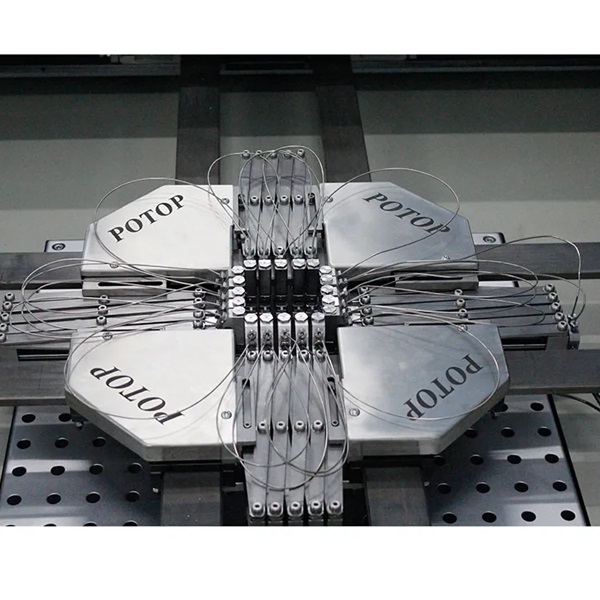
In conclusion, biaxial tensile testing is an indispensable tool for improving the durability of films and coatings. It provides a more realistic and comprehensive assessment of a material's performance under multi-axial stress, ensuring that products meet the rigorous demands of real-world applications. With the capabilities of the POTOP Biaxial Tensile Tester, manufacturers can optimize material formulations, improve product durability, and maintain consistent quality throughout production. As industries continue to demand higher-performance materials, biaxial tensile testing will play an increasingly vital role in the development and production of long-lasting films and coatings.
References: