Address:
202,101, No. 3, Kaifa Road, Dalong Street ,Panyu District, Guangzhou, Guangdong Focus On Polymer New Molding Equipment


WHAT ARE YOU LOOKING FOR?


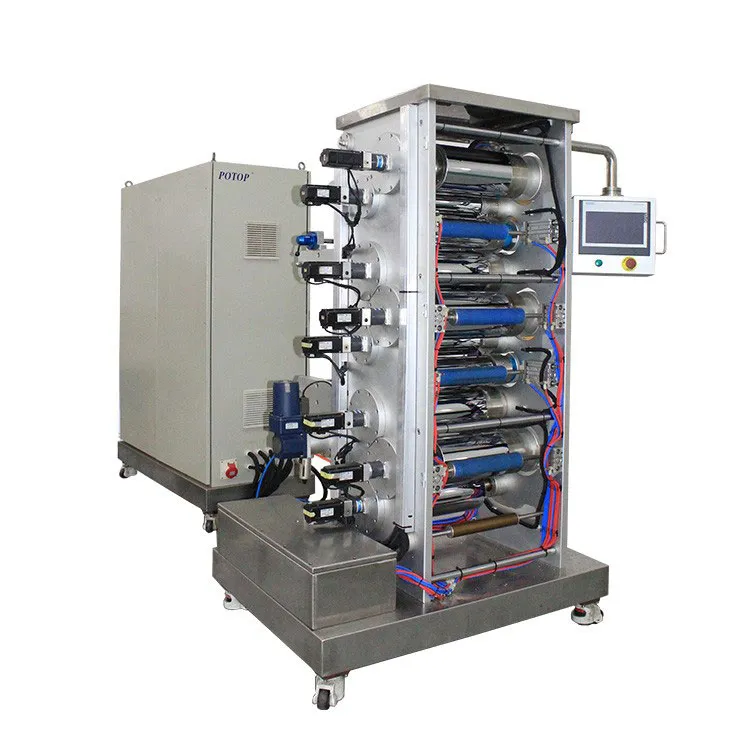


The rubber industry is characterized by high precision and strict quality standards, particularly when it comes to the processing of materials used in tires, seals, and other rubber products. A vital tool that plays a significant role in maintaining and enhancing these quality standards is the torque rheometer. This sophisticated device measures the flow properties and viscoelastic characteristics of rubber compounds, enabling manufacturers to better control the quality of their products. In this article, we explore how torque rheometers impact quality control in the rubber industry, with a particular focus on their ability to improve material properties, optimize processes, and ensure product consistency.
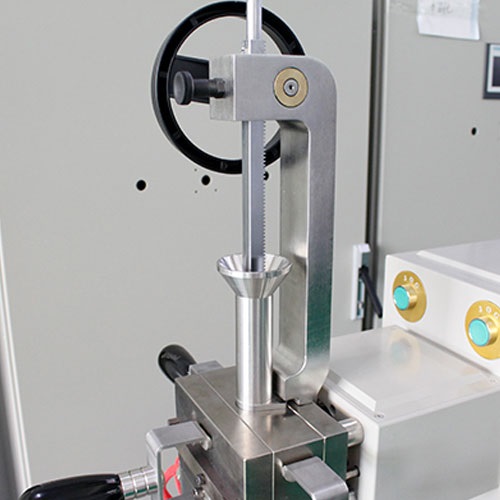
A torque rheometer is an essential instrument used to evaluate the viscosity and curing characteristics of rubber compounds under varying conditions of shear, temperature, and time. By applying controlled torque to the material, the device provides real-time data on the rheological properties of rubber, such as viscosity, elasticity, and flow behavior. This information is critical for manufacturers to monitor and adjust their mixing, processing, and curing conditions to ensure optimal product quality. For the rubber industry, where precision is paramount, torque rheometers are indispensable for fine-tuning the properties of compounds to meet exact specifications.
In rubber production, consistency is key. Small variations in material properties can lead to significant defects in the final product, affecting its performance, durability, and safety. Torque rheometers help maintain consistency in rubber compounds by providing detailed insights into the curing characteristics and viscosity of different formulations. The ability to measure these properties in real time allows manufacturers to identify any inconsistencies during the mixing and curing processes. By adjusting parameters based on the data from the torque rheometer, manufacturers can achieve more uniform materials, reducing defects and enhancing the reliability of the end product.
While traditional methods for testing rubber compounds, such as Mooney viscometers or capillary rheometers, are still widely used, torque rheometers offer distinct advantages when it comes to real-time, dynamic measurement of rubber properties. Unlike traditional methods that focus on static measurements, torque rheometers continuously monitor the changes in viscosity, elasticity, and cure characteristics as the material undergoes shear and thermal cycles. This allows for a more comprehensive understanding of the material's behavior throughout the production process, from initial mixing to final curing. The comparison between torque rheometers and traditional testing methods is shown in the table below:
Feature | Torque Rheometer | Traditional Methods |
Real-time measurement | Yes | No |
Continuous monitoring during curing | Yes | No |
Provides dynamic rheological data | Yes | Limited to static data |
Versatility in testing conditions | High | Moderate |
As shown in the table, torque rheometers provide real-time and dynamic data, giving manufacturers a deeper understanding of the compound's behavior and allowing for greater control over the final product's properties.
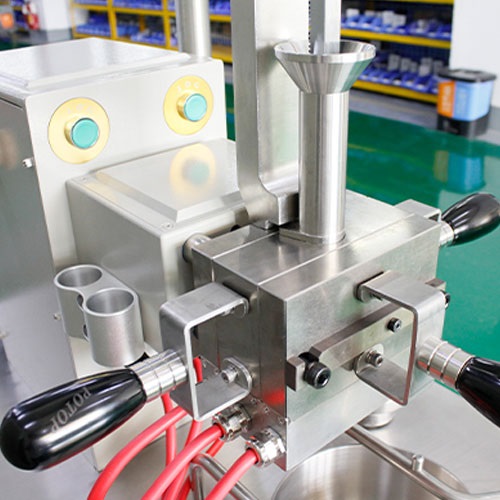
One of the key applications of torque rheometers in the rubber industry is their ability to monitor and optimize curing processes. Curing, or vulcanization, is a critical step in rubber production that determines the final hardness, elasticity, and strength of the material. The torque rheometer measures the change in viscosity and torque as the rubber compound undergoes curing, providing valuable data that can be used to optimize cure time and temperature. By ensuring that the curing process is accurately controlled, manufacturers can avoid issues such as under-curing or over-curing, both of which can compromise the performance and longevity of rubber products. This level of control ensures that the final product meets the required mechanical properties, making it more reliable and durable for its intended applications.
In addition to improving quality control during production, torque rheometers also play an essential role in product development. Rubber manufacturers often need to test new formulations to meet specific performance requirements, such as improved wear resistance or enhanced flexibility. Torque rheometers allow R&D teams to quickly evaluate the rheological properties of new compounds, helping them identify the most promising formulations before committing to large-scale production. The real-time data provided by the torque rheometer enables manufacturers to optimize their formulations and processes more efficiently, speeding up product development cycles and reducing the time-to-market for new rubber products.
References: