Address:
202,101, No. 3, Kaifa Road, Dalong Street ,Panyu District, Guangzhou, Guangdong Focus On Polymer New Molding Equipment


WHAT ARE YOU LOOKING FOR?


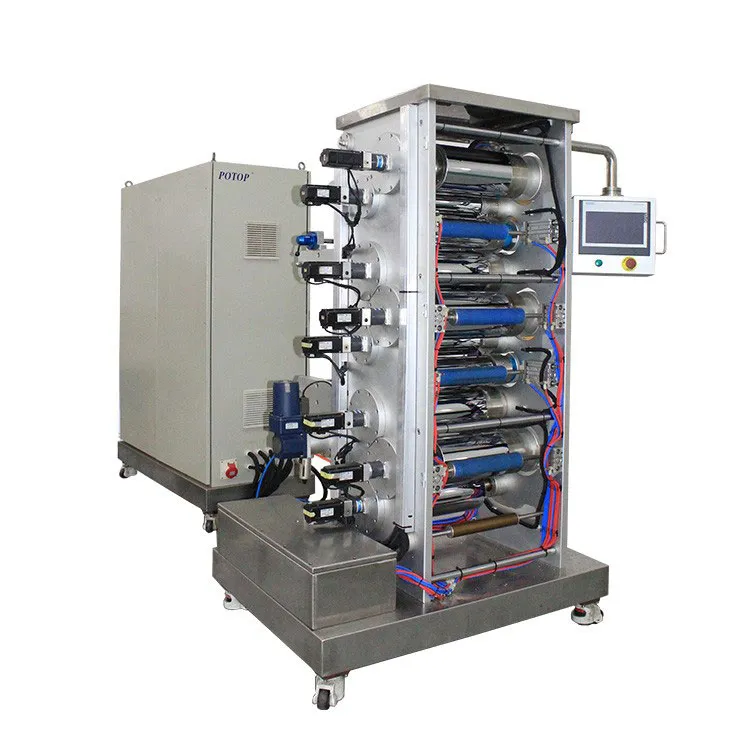


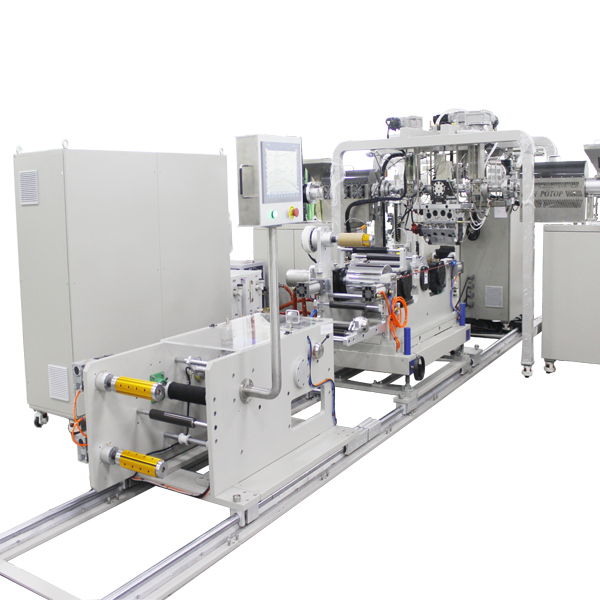
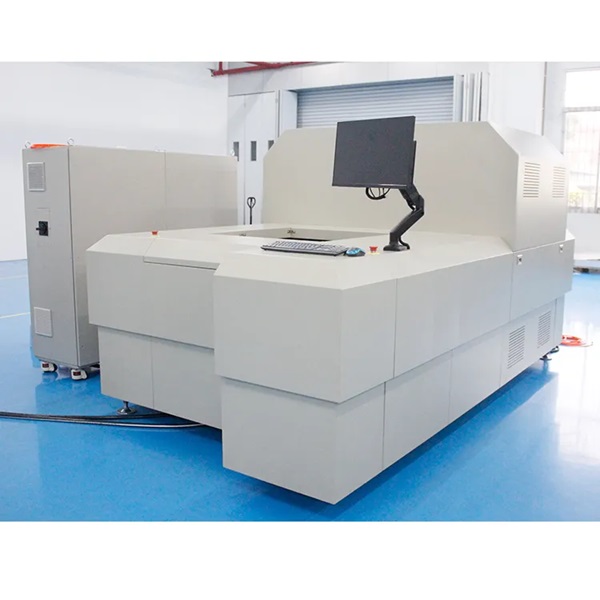
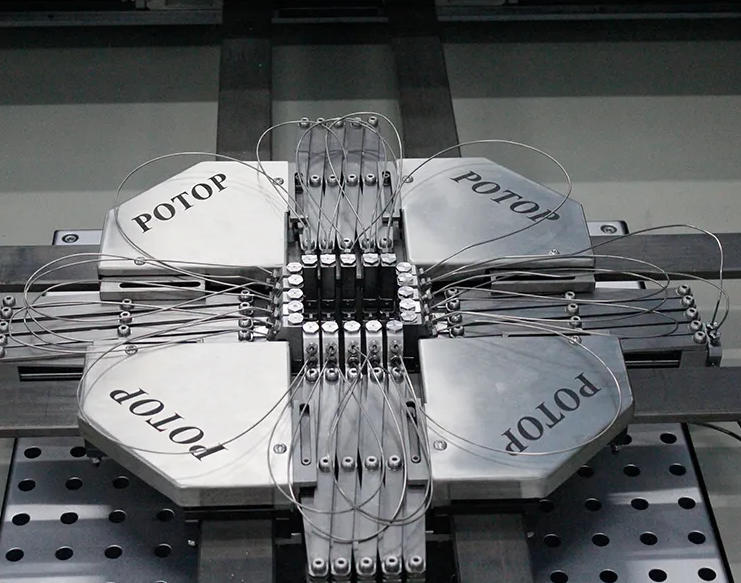
Packaging materials are fundamental to protecting products during handling, transportation, and storage. To ensure packaging performs reliably in diverse conditions, it must possess adequate durability, tensile strength, and resistance to deformation. Longitudinal tensile test methods are essential tools in evaluating these mechanical properties, offering manufacturers insights that guide material formulation, quality control, and performance optimization. By simulating tensile forces that packaging materials experience in real-world applications, longitudinal tensile testing helps engineers understand how materials behave under stress and how they can be improved. The POTOP Lab Longitudinal Tensile Test Line supports a broad range of tensile testing requirements for films, sheets, fibers, and other packaging substrates, enabling comprehensive analysis that drives better performance outcomes.
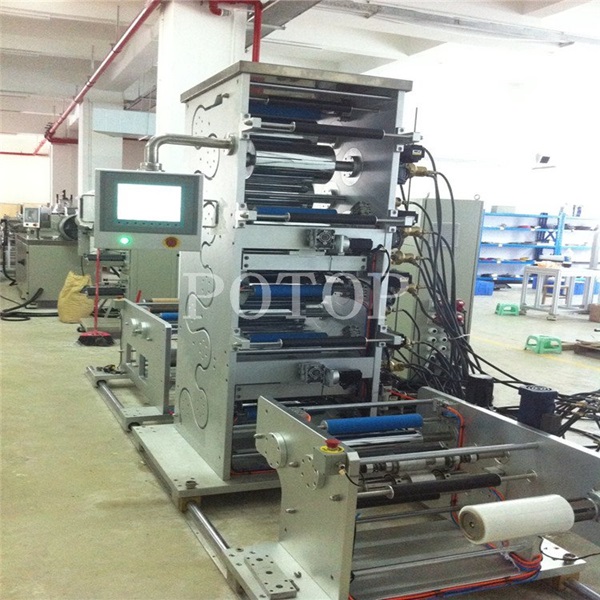
A longitudinal tensile test measures the response of a material when a uniaxial force is applied in the lengthwise direction, which is critical for packaging that must resist stretching, tearing, or breaking. In packaging applications, films and sheets are often subjected to longitudinal forces during sealing, stacking, or stretching. The Lab Longitudinal Tensile Test Line allows operators to evaluate the tensile strength, elongation at break, and modulus of elasticity of packaging materials in a controlled laboratory environment. This testing not only reveals the point at which a material fails under tension but also provides a detailed understanding of how the material deforms before failure. The insights gained from longitudinal tensile testing are vital for selecting materials that can withstand the rigors of their intended use. Enhanced durability and strength, as identified through reliable longitudinal tensile data, translate directly into packaging that protects products more effectively, reduces material waste, and increases consumer confidence.
The power of longitudinal tensile testing lies in its ability to drive material development and optimization. Packaging engineers rely on tensile test results to tailor material formulations for specific performance needs. For example, a film used in heavy-duty packaging must exhibit high tensile strength and limited elongation to resist puncture and stretching, whereas a flexible packaging film for consumer goods may benefit from a balance of strength and stretchability. Using the POTOP Longitudinal Tensile Test Line, researchers can subject prototypes to repeated tension cycles, measure changes in mechanical performance, and correlate tensile behavior with processing conditions such as extrusion, annealing, or coating. This data enables iterative improvements, ensuring that performance characteristics meet or exceed industry standards. By providing precise measurements of tensile stress-strain curves, the longitudinal tensile test facilitates informed decisions about material selection, additive use, and process adjustments that enhance packaging durability and functional performance.
Understanding how a longitudinal tensile test compares to other mechanical tests helps clarify why it's indispensable for packaging materials. Traditional mechanical tests like puncture resistance or tear tests provide useful information about specific failure modes, but they do not offer a complete picture of material behavior under longitudinal stress. The table below illustrates key differences:
Feature | Longitudinal Tensile Test | Tear Test | Puncture Resistance Test |
Measures uniaxial tensile properties | Yes | No | No |
Provides stress-strain behavior | Yes | Limited | Limited |
Predicts elongation before failure | Yes | Partial | Partial |
Suitable for films, sheets, fibers | Highly suitable | Suitable for specific failure mode | Suitable for resistance to penetration |
Directly correlates with handling stresses | Yes | Limited | Limited |
As shown, the longitudinal tensile test uniquely provides a comprehensive profile of a material's tensile behavior, capturing both strength and deformation characteristics that are critical to packaging performance. While tear and puncture tests are valuable for specific performance indicators, they cannot replace tensile tests when evaluating resilience under lengthwise stress. By integrating longitudinal tensile testing into a broader testing strategy, manufacturers gain a more complete understanding of material capabilities and limitations.
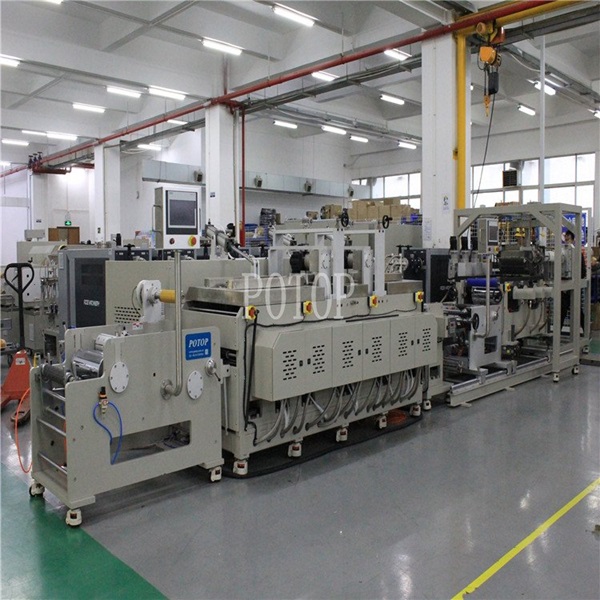
In quality control, consistency and repeatability are as important as the tensile properties themselves. The longitudinal tensile test offers a standardized method to ensure that every batch of packaging material meets predetermined performance criteria. The POTOP Longitudinal Tensile Test Line provides precise control over test parameters such as crosshead speed, gauge length, and test environment, ensuring that measurements are accurate and comparable across production runs. This repeatability supports compliance with international standards and specifications, helping producers avoid variability that could lead to packaging failure. Quality control teams can use longitudinal tensile data to detect changes in material behavior due to raw material variation, processing inconsistencies, or environmental influences. By acting on this data, manufacturers can adjust production parameters or material formulations proactively, maintaining high standards of durability and strength in packaging products that reach the market.
As packaging materials continue to evolve with advances in polymers, composites, and sustainable substrates, longitudinal tensile test methods remain central to innovation. Emerging trends such as biodegradable films, lightweight materials, and high-performance composites demand rigorous tensile evaluation to ensure that new materials deliver both environmental benefits and mechanical reliability. The flexibility of the POTOP Longitudinal Tensile Test Line to accommodate diverse material types makes it well-suited to support cutting-edge research and development. By providing data that deepens the understanding of tensile behavior across emerging materials, longitudinal tensile testing enables manufacturers to push the boundaries of packaging design without compromising durability or strength. With increasing emphasis on sustainability and performance, the role of longitudinal testing will only grow more critical in guiding the development of next-generation packaging solutions.
References